The Conversion of a VR Sceptic: Working in VR
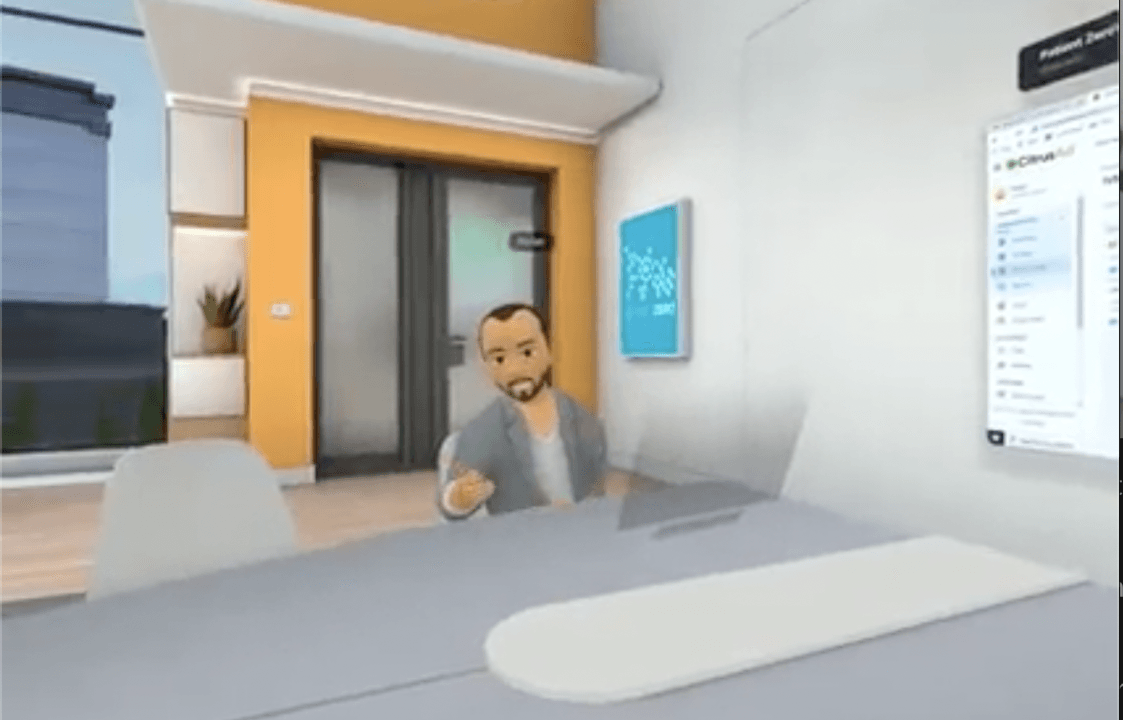
By Stefan Kosnik, Product Owner
As a product owner, I’m very tied to my computer to get work done. So when the idea of working in virtual reality was floated, I was sceptical that it would add any business value.
We already spend so much of our working day in meetings, so I wanted to know whether I be able to get any real work done in VR without my computer.
My general sense was that we’re just not ready for VR, that the technology is too immature to use at work and maybe we, even with all the changes the pandemic has brought, just aren’t ready either.
So, I raised these concerns with our Developer Custodian (and VR enthusiast) Paul Seymour.
His response? That trialling VR was exactly about finding an answer to these questions.
Working at Patient Zero, this approach is not uncommon. We apply our Way of Working to just about everything - which means that testing, iterating and learning isn’t just part of our development process, it’s part of our culture.
To be honest, I also wasn’t entirely disappointed about the idea of at least having a play with the latest Oculus gear either.
After our first sprint working in VR, I have to say I’m pleasantly surprised at the results. After getting over the initial ‘Wow’ factor of being in the metaverse, using the tools in Horizon Workrooms very quickly becomes second nature.
I am able to partially bring my hardware into VR, remote desktop (one screen only) via the Oculus app and my mouse, but there are limitations at present to which keyboards can be scanned in. This means all agenda items need to be pre-prepared on the one screen.
Collaboration is much easier and more engaging than existing meeting platforms (Zoom, WhereBy, Teams, etc.) - directional audio means that when someone turns away from you, they are muffled. It actually feels like you are in room together. We also end all of our meetings with the ‘High Five’ feature, it’s pretty cool!
What’s holding it back?
Resolution. The headset hurts your eyes after a while, because the resolution just isn’t high enough to be comfortable. It’s not high enough to showcase User Interfaces in VR either, nor to be able to peer program, so you need to switch back to video conferencing for these kind of tasks.
The other big ticket on my wishlist now is to set up a VR room at home. Drawing in the air is really, really difficult. So when using the whiteboard you need to have a solid surface to write against, you also need to have a keyboard and set up that works with the physical prompts in your virtual reality.
But almost all of the drawbacks of VR for work are technology issues that will inevitably be solved by the march of technology. The headset will get lighter, the resolution higher, the controllers more tactile in their response.
So call me a convert? Maybe.
I’m more excited about the promise of VR than I was before, and I’m enjoying using it. There is a definite business use for this technology now, but is it at the point where everyone should have a VR headset on their desk?
We’re still trialling it at Patient Zero so you’ll have to wait for our answer on that. But personally?
We might not all need a VR headset on our desk, but in a few years? Absolutely.