Embedded Software Teams & Capability Uplift
Stop renting capacity and start building maturity.
Patient Zero deploys Australian-based embedded teams that plug directly into your environment to deliver sovereign software capability.
Unlike traditional staff augmentation, we don’t just fill seats. We deploy complete, cohesive delivery units from our East Coast Hubs that work with your tools but run on our proven ISO27001 model.
Whether you are in Sydney, Melbourne, Canberra, or Perth, our teams integrate seamlessly to ensure sustainable capability uplift.

What Embedded Teams Are
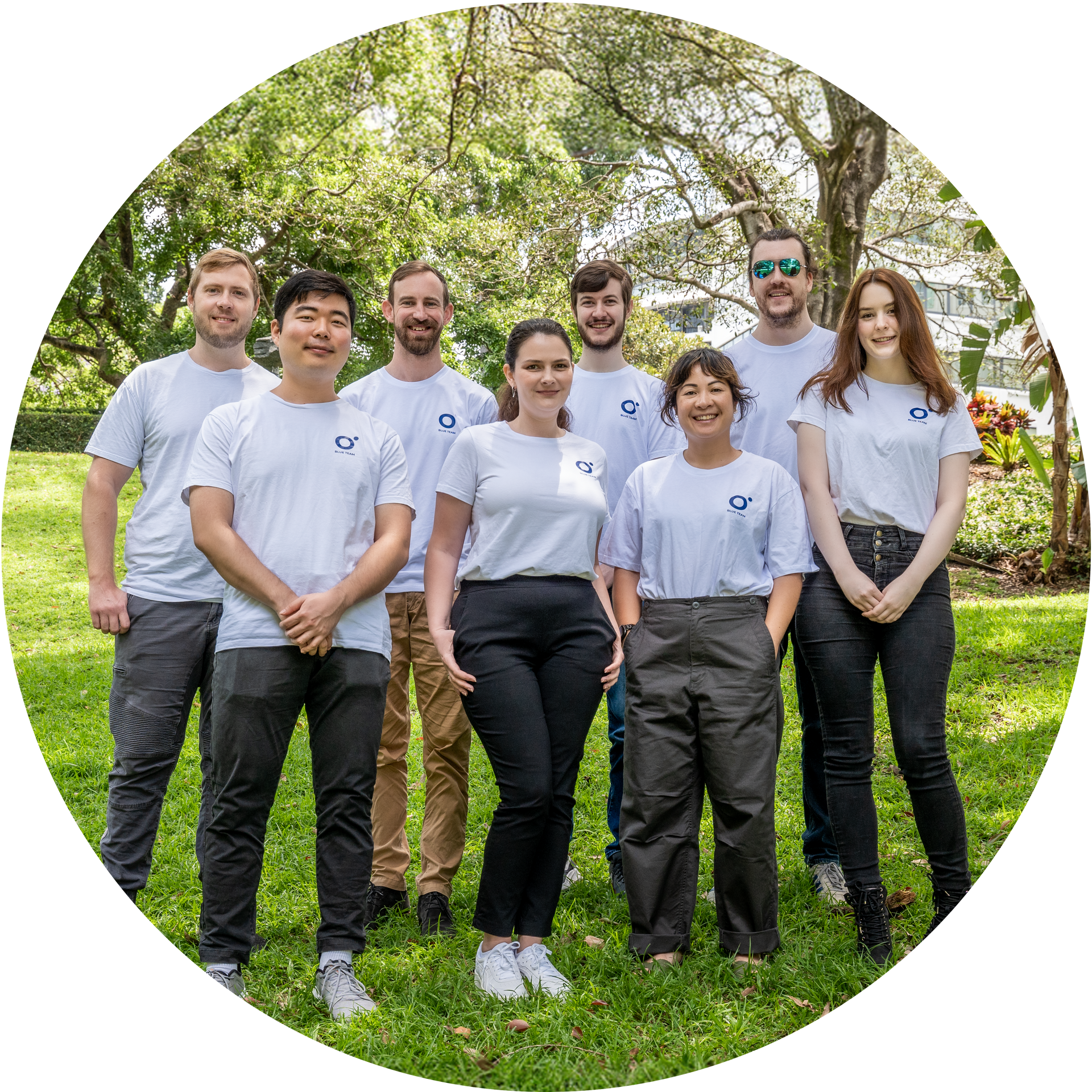
Embedded Teams are
Patient Zero–led delivery teams
that work inside your environment using your tools, while operating on our structured delivery model.
Unlike traditional team augmentation, which adds individuals into your team and leaves you to manage them, Embedded Teams provide a balanced, cohesive group with shared practices, clear roles, and proven ways of working.
Your people work alongside ours, gaining uplift while we help you scale, stabilise delivery, or accelerate toward key deadlines.
A Balanced Team, Built for Delivery
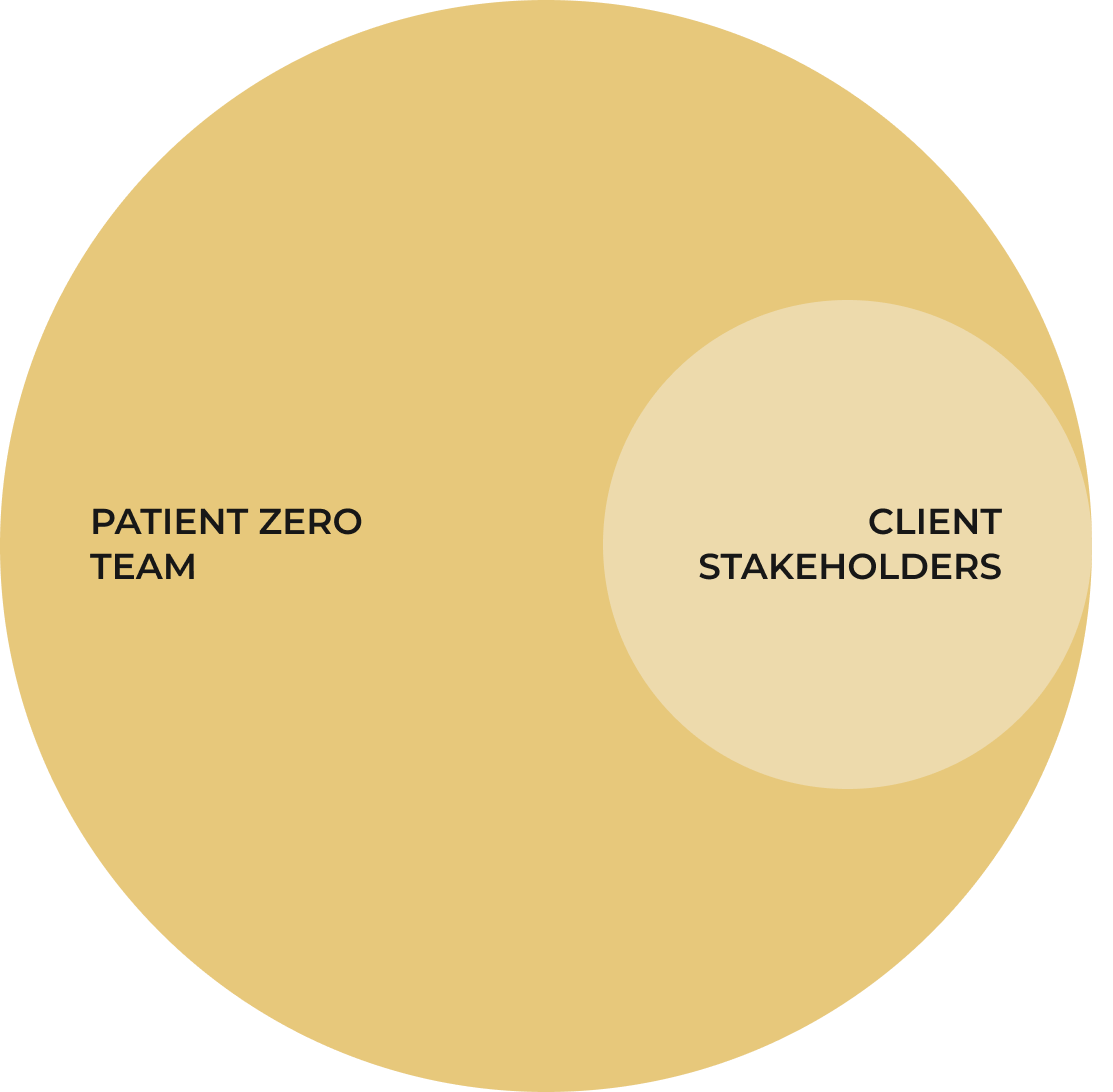
Our Embedded Teams combine full-stack developers who can work across the entire delivery lifecycle with a dedicated Product Owner to ensure clarity, prioritisation, and flow.
We supplement this core team with rotating specialists, such as test automation, DevSecOps, UX, or architecture, when the work requires deeper focus or additional capability.
This gives you a team that is:
- Cohesive
- Cross-functional
- Practical
- Flexible
- Capable of delivering end-to-end
And your people plug directly into this team, gaining uplift through pairing, shared rituals, and active delivery.
Product
Owner
Owns clarity, alignment, communication, and delivery flow.
Full-Stack Developers
Work across front-end, back-end, integrations, and infrastructure patterns as needed.
Rotating Specialists
Test automation, DevSecOps, UX, or architecture support provided when required.
Your Team Members
Developers, BAs, and designers join the team and learn by doing.
How We Build and Scale an Embedded Team
Minimum Team Size
To maintain delivery momentum, we require a minimum of three Patient Zero developers plus a Product Owner.
Staggered Onboarding
We introduce the team gradually. Product Owner first, then developers, then specialists, to set up the delivery model before increasing throughput.
Rotating Specialists
Test automation, DevSecOps, UX, or architecture support is added only when the work requires it.
Roll-out and Transition
As your team grows in confidence, we reduce ours. Capability transfer is built into the engagement.
We can Support Recruitment
When you are ready to hire, we help you find people who will succeed in your environment and within the delivery model.
How Embedded Teams Differ from Team Augmentation
Team augmentation adds people. Embedded Teams add delivery capability.
| Team Augmentation |
Embedded Teams (Patient Zero) |
|
|---|---|---|
| What you get | You get individuals | You get a cohesive delivery team |
| How it works | You manage them | Delivery runs on a structured model |
| Consistency | Patterns vary from person to person | Flow, clarity, and predictability |
| Capability growth | Limited uplift | Uplift happens by working together |
| Best for | Good only for short-term capacity gap |
Scales to meet delivery priorities |
When Embedded Teams Make the Biggest Impact
When you need extra delivery capacity without adding headcount
Scale quickly to meet a deadline or workload spike.
When your team needs capability uplift
Your people learn modern product, engineering, delivery, and DevSecOps practices by working inside a functioning team.
When delivery has stalled or lost clarity
Our operating model restores flow, visibility, and alignment.
When an existing vendor isn’t delivering
Shift work into an embedded team for stability and momentum.
When complexity or risk is increasing
Balanced roles reduce bottlenecks and improve quality.
How Embedded Teams Work
Our delivery model creates visibility, consistency, and sustainable flow across product, design, engineering, QA, and DevSecOps.
1
Your tools, our model
We operate inside your Jira, Azure DevOps, GitHub, Teams/Slack - but use the PZ delivery model to drive flow.
2
Your people embed into our team
Uplift happens naturally through real delivery.
3
We clarify flow and restore momentum
Predictable cadence, visibility, and structure.
4
We reduce hand-offs between roles
Balanced capability reduces bottlenecks and delays.
5
Capability remains after we leave
Your team continues delivering with improved practices.
Why Embedded Teams Outperform Other Models
Compared to Large Consultancies
- No pyramid staffing
- Faster onboarding
- Less overhead and complexity
- Delivery over documentation
- People who actually do the work
Compared to
Offshore Teams
- Same timezone
- Cultural alignment
- Higher quality
- Less oversight required
Compared to
Hiring Internally
- No recruitment overhead
- Avoid capability gaps
- Scale based on delivery need
- No long-term commitment or performance risk
Case Studies
These examples show how we bring software to life in complex, real-world environments.
CitrusAd
Speed, Unicorn Growth, Elastic Capacity.
How we provided the elastic engineering capacity CitrusAd needed to handle explosive growth, supporting their platform's journey from Aussie startup to a $205M global acquisition.
NTI
New Product Development, Embedded Teams, 6-Month Deadline.
When NTI needed to launch a new insurance line of business on an aggressive timeline, we deployed two fully embedded teams to co-design and deliver the entire three-app ecosystem on time and on budget.
Queensland Government
Trust, Security, Citizen Impact.
A trusted partnership delivering secure, accessible digital services for Queenslanders. Built on ISO-certified rigour and true onshore sovereign capability.
FAQs
How many people can you embed?
Most teams embed 1–3 developers, BAs, or designers into a Patient Zero team, depending on your goals and internal capability. Because our teams are intentionally small for speed and clarity, adding more PZ teams increases your capacity to embed more people from your side.
What is the minimum Embedded Team size?
We require a minimum of three Patient Zero developers, plus a Product Owner, to maintain clarity, flow, and sustainable delivery momentum. Single developers get absorbed by culture; Teams change culture.
Do you stagger team members into the engagement?
Yes. We start small to establish the operating model, then add developers and specialists as required. This reduces onboarding friction and improves quality.
Can our developers and BAs join your team?
Absolutely. Your people embed directly into the team, working side-by-side with ours. This is one of the fastest paths to capability uplift and domain knowledge transfer.
Do you replace vendors or internal teams?
We can. Most organisations bring us in to stabilise delivery, replace an underperforming vendor or act as the ongoing permanent team. Your team can step into the model as it matures.
What happens when we want to bring delivery back in-house?
Through our roll-out model, we gradually reduce our team as your team becomes more confident. This is an intentional part of the engagement, not an extra service.
Can you help us recruit internal roles?
Yes. We can support recruiting developers, testers, and product roles that align with the delivery model operating inside your organisation.
How fast can an Embedded Team start?
Usually 1–3 weeks depending on role mix and onboarding requirements.
Insights & Impact
True engineering maturity requires more than just code; it requires a point of view. Read our latest thinking on the future of AI and software delivery, and see how we apply those principles to drive real impact for our clients.