Patient Zero x EDUtech AU 2026: Building Student Management Systems in 45 Minutes
TL;DR
Patient Zero gave education leaders at EDUtech AU 2026 a practical look at what agentic AI can already do when pointed at a real organisational problem. Participants walked out of the workshop with a practical understanding of why the old assumptions about procurement, prototyping, and the build-versus-buy equation are starting to move.
Patient Zero x EDUtech AU 2026: Practical AI for Education Systems
We can barely believe its been a month since EDUtech brought education leaders, technology teams, and digital decision-makers together in one place, at the ICC in Sydney, over June 3-4, to explore what the sector is doing, and where it is going.
After two FULL ON days, it was clear, the conversation has moved well beyond whether AI will affect education. The question now is how schools, systems, and institutions can use AI without losing control of the platforms, data, workflows, and institutional knowledge they rely on every day.
This is familiar territory for Patient Zero. We build and modernise mission-critical software for complex organisations, including education environments, where reliability, privacy, maintainability, and operational control are not optional extras.
Against that backdrop, our workshop was bang on topic. It was designed to move the AI conversation out of theory and onto the tools themselves. Basically, we gave education leaders a hands-on look at what agentic AI can do when it is pointed at a real sector problem: building a student management system prototype from plain English requirements.
Is the SaaSpocalypse in the Room with Us?
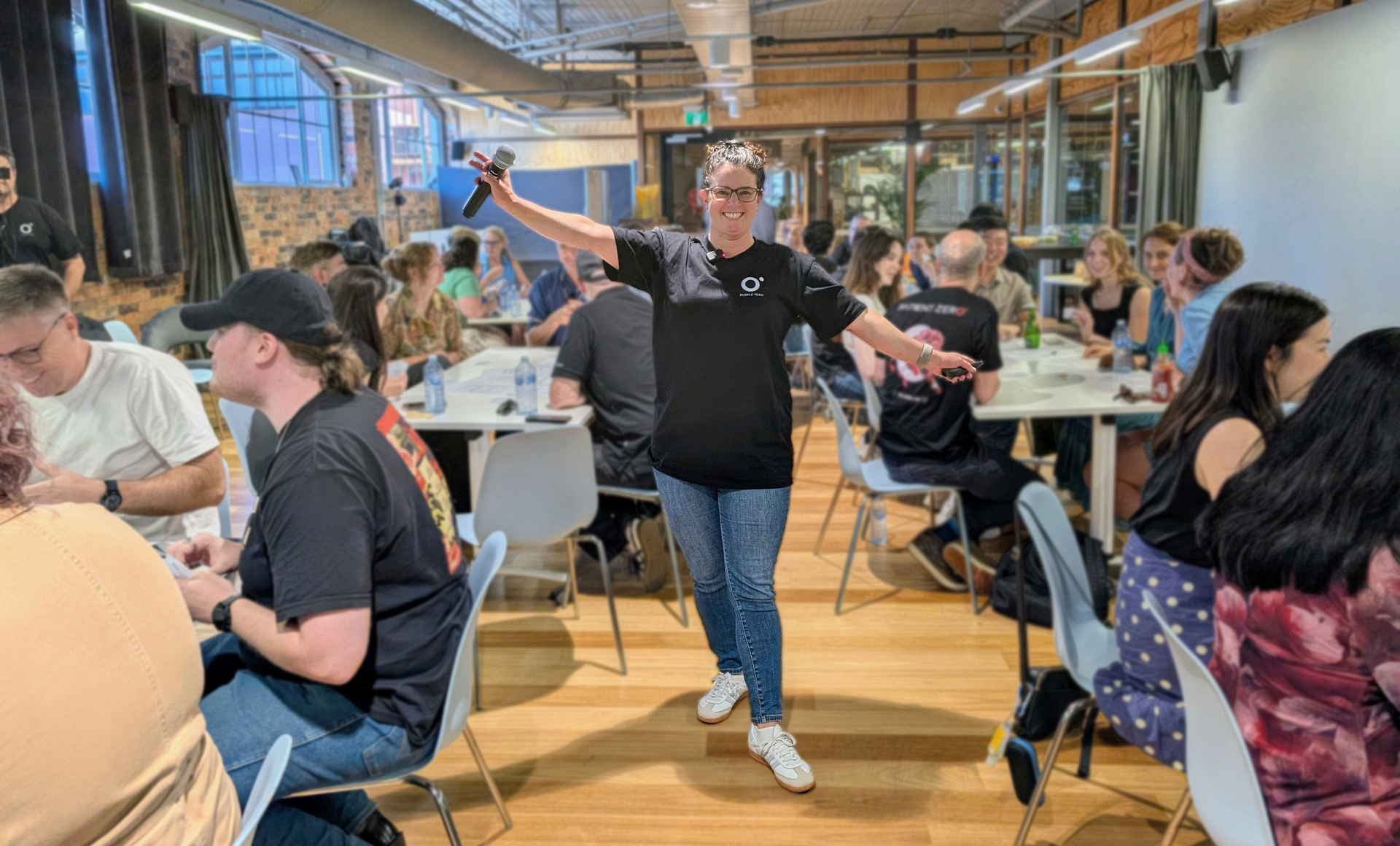
Can a room of 25 executives build 7 functional student management systems before lunch?
At EDUtech AU 2026, Patient Zero set out to test that question in front of the people most likely to feel the consequences: education leaders, digital executives, and teams wrestling with large, slow, high-stakes systems change.
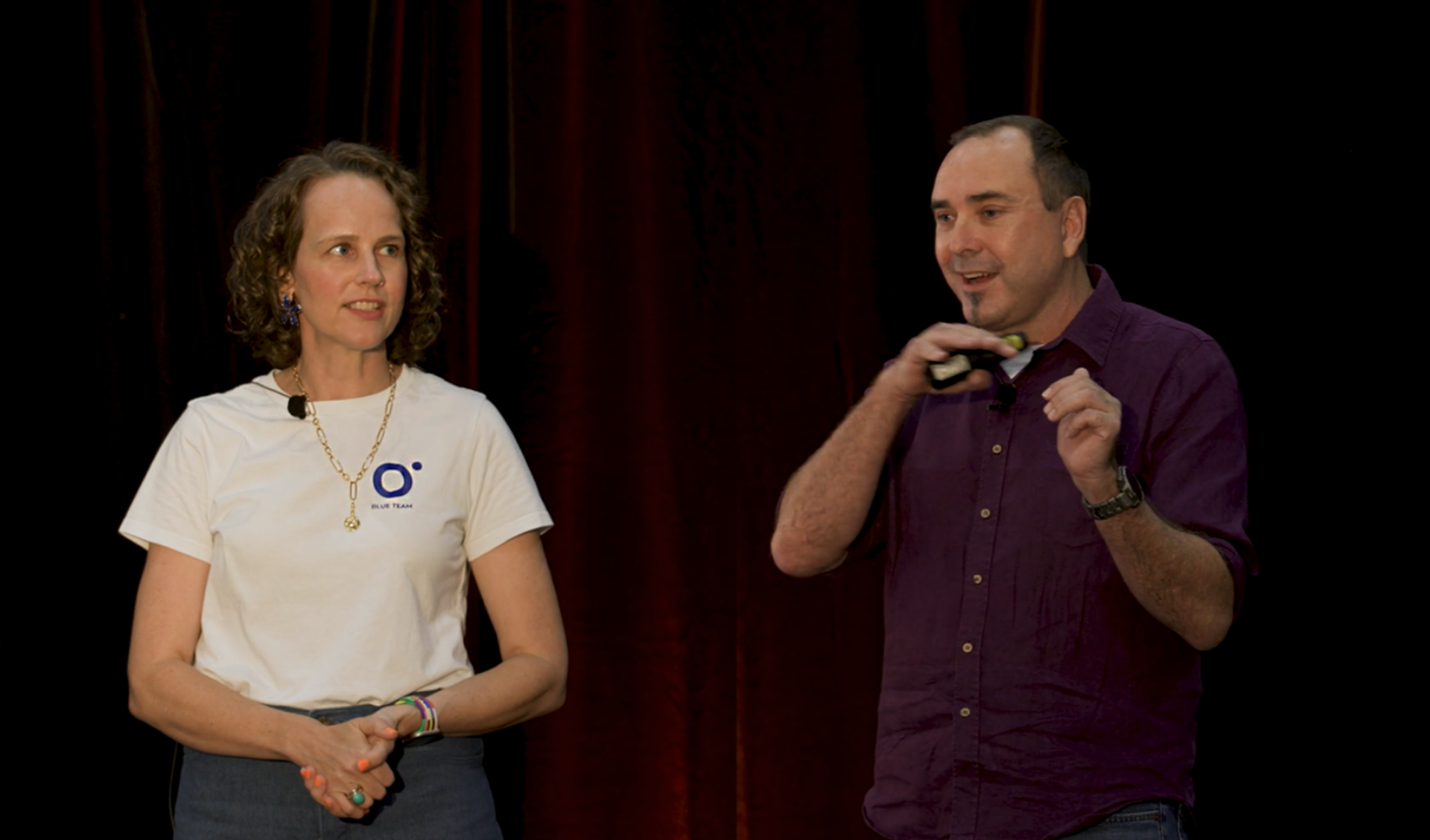
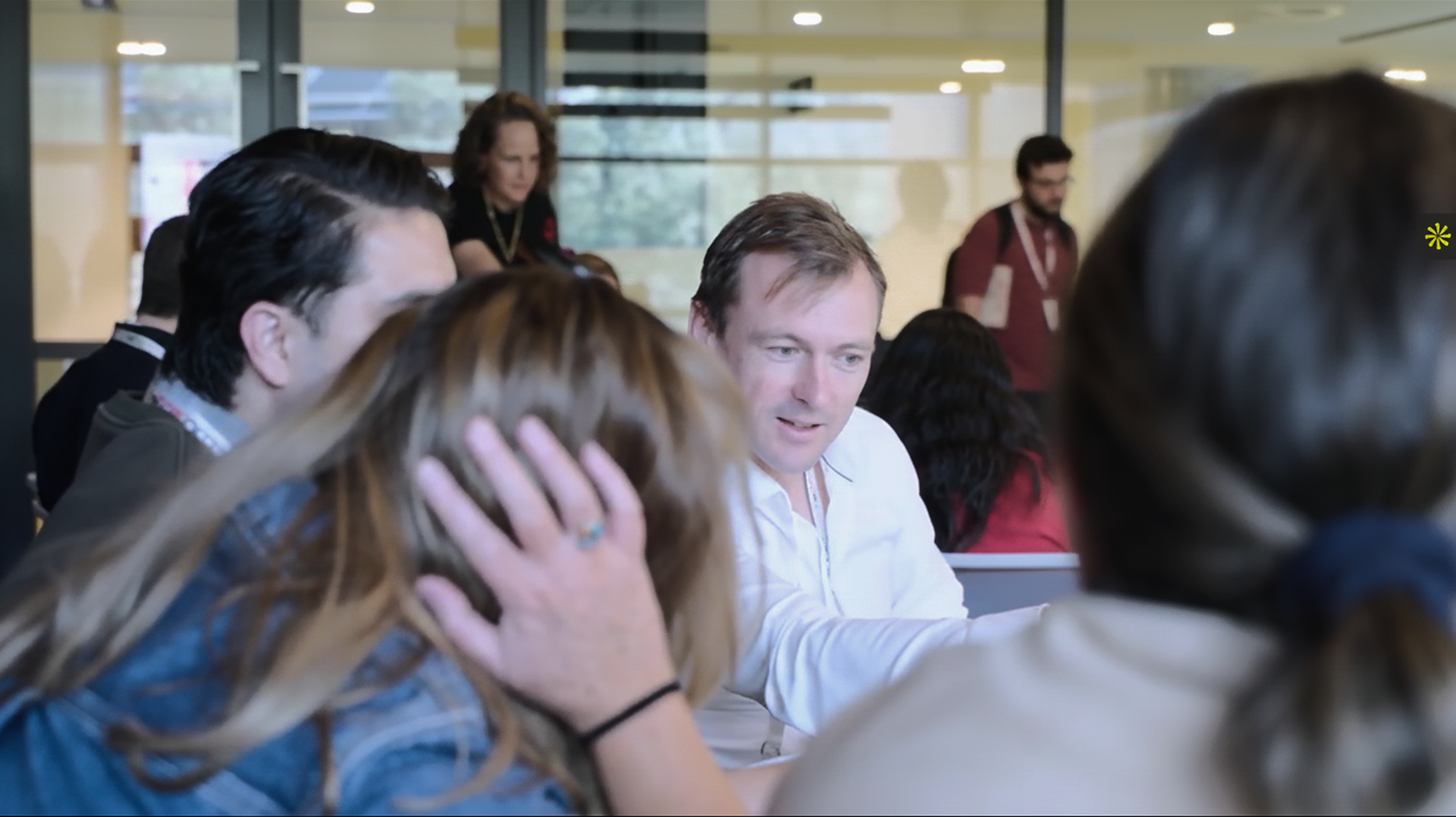
Demelza Green, Bay McGovern, and Paul Seymour ran a hands-on build lab, handing attendees the keys to a new kind of digital workforce. Instead of prompting a single chatbot for basic answers, participants orchestrated a network of independent AI agents that passed data back and forth, peer-reviewed each other's work, and solved complex problems as a cohesive team.
The premise was simple: take plain English requirements for a student management system, give participants their own AI agent team, and see how far they could get in 45 minutes.
The answer was: further than most procurement cycles would be comfortable admitting.
From Plain English to Working Student System Prototypes
Using Claude Code agents and OpenClaw as the orchestrator, participants directed agent teams that included a Design, Architect, Product Owner, Developer and QA. They told OpenClaw what they wanted, then watched as their cross-functional, agentic team got to work. They saw functional systems emerge fast enough that several groups had time left over to customise their builds.
Obviously, their builds weren’t production ready. No one should be dropping a workshop prototype into a live education environment with real student data, complex integrations, compliance obligations, accessibility requirements, and operational support needs. Duh.
The point the workshop aimed to get across was that the early discovery and prototyping layer of software delivery is being compressed. What used to take weeks of meetings, requirements documents, procurement choreography, and vendor demos can now be explored in a single session with working software on screen.
"A lot of people were confused because they were lik, 'is it building my student management system yet?'. Turns out, it has already been built"
Beyond Vibe Coding: Agentic AI as a Delivery Model
For education organisations, the operational shift is practical and immediate: teams can explore business requirements, system design, workflows, and trade-offs before committing to a large delivery path.
Basically, the blueprint any organisation has for moving through a of digital project, whether that’s building a portal or a legacy system overhaul, is being redrawn.
| OLD ASSUMPTION | WHAT THE WORKSHOP SHOWED |
|---|---|
| Prototypes require specialist delivery teams and long lead times. | Non-developers can guide agent teams to produce useful prototypes quickly. |
| Buy-versus-build decisions happen before anyone sees working software. | Organisations can test options earlier with running systems. |
| AI coding is mostly individual experimentation. | Agentic workflows can mirror delivery team roles and responsibilities. |
| Speed means losing control. | With the right structure, speed can create better questions sooner. |
A 45-Minute Reality Check for Digital Delivery
The EDUtech builds gave education leaders a reality check by allowing them to see what’s possible when interacting directly with agentic delivery systems.
The question that was answered for participants was not whether a 45min prototype could survive production. It was what could actually be achieved with the right people and tooling. before committing months of budget, stakeholder energy, and procurement effort to the wrong path.
If 25 executives can build 7 student management system prototypes before lunch, imagine what a focused team could do with the right architecture, governance, integration patterns, and production discipline behind them.
Own Your Assets,
Don't Rent Them
Talk to us about how you can build instead of buy, or take back ownership of your current SaaS systems.
Not ready for that much human interaction yet? Here's some text based info on what we do and what we have achieved for our clients:
- Modernising Legacy Systems with Agentic AI: Learn how you can use agentic AI to take back control of your legacy systems, even in highly regulated environments just like education.
- AI & Emerging Tech: Discover how we deliver practical, secure AI solutions beyond the hype.
- Thinking about student portals, staff workflows, or secure self-service? Explore Web Apps & Portals.
Share This Post
Get In Touch
Recent Posts