Should you Catfish your vendors? No, not like that.
EDITOR'S NOTE
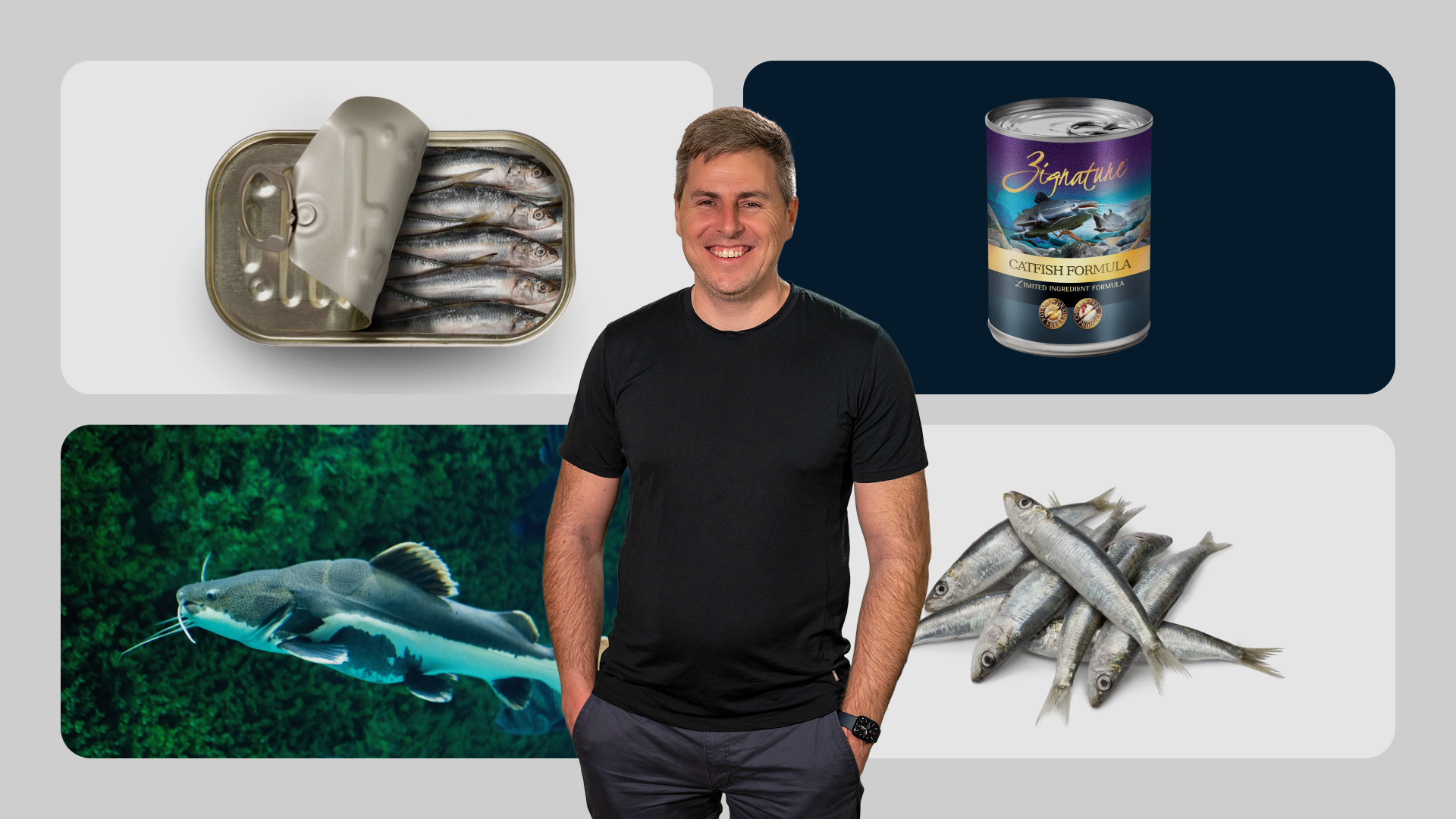
In 2026, most IT procurement panels are full of dead sardines. Large organisations lock themselves into "Preferred Supplier" lists to streamline costs, but they often streamline innovation right out of the building. This article explores the "Catfish Effect"; a macro-economic strategy used effectively by global superpowers, and how CIOs can apply it to their own vendor ecosystems. The secret to rescuing a stalled digital transformation isn't always firing your incumbent; sometimes, you just need to introduce a Challenger Vendor to wake them up.
(TL;DR)
- The Trap: "Preferred Supplier Panels" create a closed ecosystem where incumbent vendors get comfortable, lazy, and expensive (The "Dead Sardine" effect).
- The History: China used the "Catfish Strategy" (introducing fierce foreign competitors like Tesla and Siemens) to force their domestic industries to innovate or die.
- The Strategy: You don't need to rip and replace your entire vendor list. You need to introduce Competitive Tension.
- The Move: Assign a high-stakes "Problem Child" project to a boutique
Challenger Vendor. The presence of a predator forces the incumbents to swim faster.
What is the "Catfish Effect"? (And Why Your Tank is Full of Dead Sardines)
Legend tells of a Norwegian sardine-boat captain who was able to bring prized live sardines to market where others could not. His closely guarded secret which was only divulged after his death was (according to the stories) that he placed a live catfish in the tank with the sardines, who reacted to the presence of the predator by remaining active and lively.
Although the term Catfishing has taken on a different meaning in the age of social media, the strategy is that introducing a “predator” into an ecosystem forces innovation and reduces complacency and stagnation.
Stealing Management Tips from Emergent Global Superpowers
China used the “Catfish” strategy to improve the efficiency of several areas of their domestic economy. In the early 2000s China allowed several rail superpowers – Siemens (Germany), Kawasaki (Japan) and Alstom (France) to compete for contracts to build an emerging high-speed rail network.
Over the ensuing 25 years China absorbed, integrated and refined the technology, eventually creating their own domestic high-speed rail designs (the Fuxing).
Today China has more high-speed rail than the rest of the world combined, and Chinese firms like CRRC and CCCC compete in western-European markets against the “catfish” that once spurred them on.
Case Study: Tesla’s "Gigafactory" Privilege
Another example of a “catfish” is Tesla in the EV market. In 2018 China allowed Tesla to open Gigafactory Shanghai. Prior to Tesla’s Gigafactor, foreign auto-makers were forced to partner with Chinese firms. The Chinese government wanted to force their EV manufacturers to become world-class, and so Tesla was allowed this singular privilege.
The presence of the factory bootstrapped a whole supply-chain ecosystem for Tesla. The same supply-chain could also supply domestic manufacturers like BYD who were also forced to dramatically improve their battery technology and software. Today China is the world-leader in EV production. Outside of manufacturing China have also used this strategy to force innovation in other areas like financial services.
The "Procurement Paradox": How Preferred Supplier Panels Kill Innovation
What does your supplier list and a box of dead sardines have in common?
Many medium to large companies and government organisations try to streamline their procurement of services (including IT) by having a small number of preferred suppliers that they deal with exclusively. While this can streamline procurement, this approach stifles competition and leads to stagnation and complacency.
This often results in worse outcomes for everyone except procurement – complacency leading to higher costs, longer timeframes and less innovative products and services. A classic case of the procurement tail wagging the organisational dog.
Internal IT capabilities are also prone to stagnation for the same reasons as incumbent suppliers who feel far too comfortable in their position. Without definite competition pressures timeframes can balloon out and innovative ideas that could improve things are shelved because there are no incentives to take risks.
How to Execute the Strategy: Introduce a Challenger Vendor
The “catfish” strategy isn’t without its risks of its own – if the “catfish” is too lethal then the domestic population may not survive long enough to adapt and eventually thrive. For nation-states this is definitely a risk, and one that China managed through R&D grants to help give domestic companies a fighting chance.
In an organisational context this is less of an issue. If IT services isn’t your core business then you benefit if one supplier out-competes another.
The great news is you don’t have to fire your incumbent big-4 vendor tomorrow. Introducing a small and nimble boutique partner into your internal IT ecosystem on a “problem child” project like that stalled digital transformation or legacy system migration could show established players that they need to continue to push to improve and deliver value.
The Patient Zero Approach: Engineering Without Lock-In
As a challenger vendor to a number of larger organisations, Patient Zero try to avoid complacency, even when we have a good relationship with our customers.
We actively try to make it easy for our customers to disengage with us when we’ve completed a project, both contractually and with our project delivery by setting up automation and comprehensive documentation that we can hand over when our job is done.
We constantly challenge ourselves to further improve and streamline our process by re-evaluating what we’re doing. This is one of the biggest benefits to cycling new people through a team. New team-members are uniquely positioned to bring fresh eyes to look at everything that is being done with a view to simplifying, documenting gaps, and eliminating waste.
Usually, we’re the catfish. Sometimes we’re the sardine. But we’re always working on becoming better swimmers.
Stop Feeding the Dead Sardines
We believe that comfort kills innovation. If your "preferred supplier" list has become a list of "complacent incumbents," you don't need to fire everyone; you just need to introduce a challenger to the tank.
- Project Rescue: See how we rescue stalled projects that have been dragging on for months.
- Sovereign Engineering: Discover how we build systems without vendor lock-in, ensuring you own your future.
- App Modernisation: Don't let legacy tech kill your velocity. Read more
Ready to Introduce a Predator?
You don't have to fire your current vendor today. Just give us the project they are failing on.
About The Author

Joe Cooney is a Principal Software Engineer at Patient Zero with decades of experience in the trenches. He has "seen it all"; from the dot-com boom to the AI revolution and knows exactly how to rescue a codebase from stagnation.
He loves coffee, code, and snowboarding, and holds the unique distinction of being the Nomenclator of Stack Overflow.
Share This Post
Get In Touch
Recent Posts